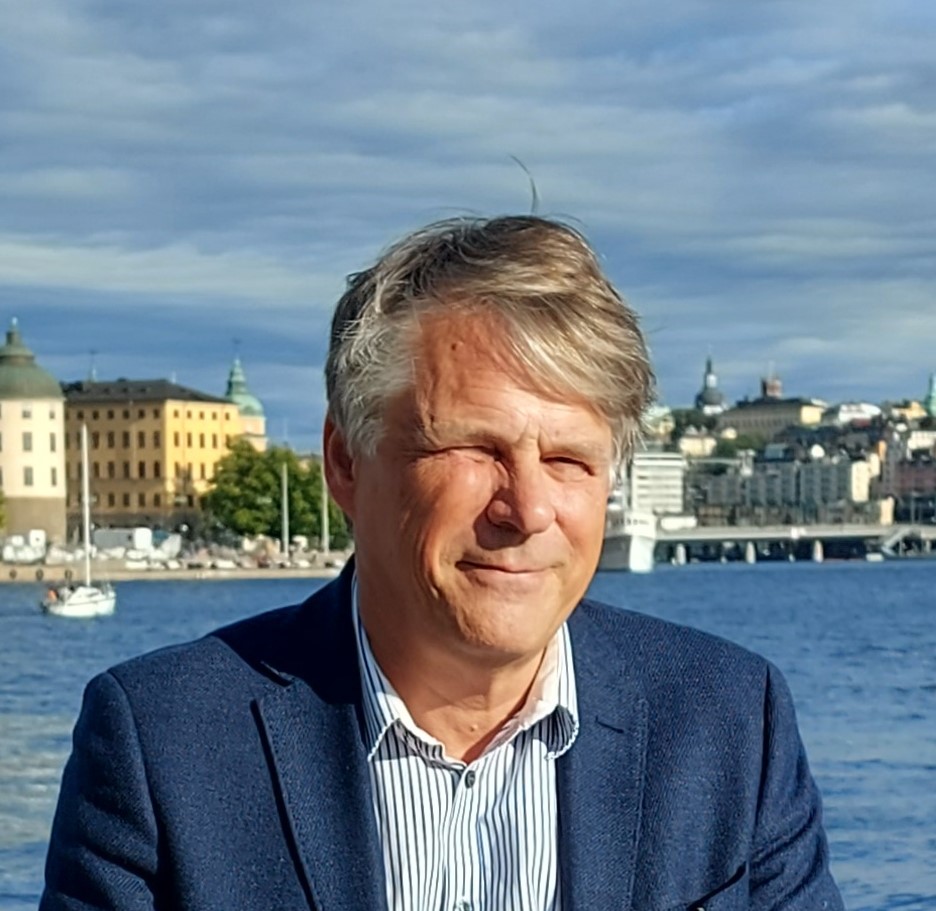
Bo Franzén is a biochemist with a Ph.D. in cancer proteomics from Karolinska Institutet (KI, 1996). Following a postdoctoral fellowship at Pharmacia & Upjohn, Dr. Franzén joined AstraZeneca (1998–2013), where he specialized in biomarker discovery within neuroscience and assay development. During this period, he actively contributed to numerous national and international academic–industry research collaborations.
In 2010, Dr. Franzén was appointed Associate Professor at KI and returned to the institute in 2013 to pursue research focused on the clinical application of biomarkers and molecular analyses in fine-needle aspiration (FNA) biopsy samples from breast, lung, and prostate cancers.
Dr. Franzén brings decades of experience in protein biomarker discovery using clinical materials, encompassing sample collection, preparation, multiplex protein profiling technologies, advanced data analysis, and assay validation. His recent work has successfully applied these methods to FNA samples, enabling minimally invasive diagnostics, therapy prediction, and treatment monitoring.
He is the author of over 70 peer-reviewed publications, including research articles, reviews, book chapters, and patent applications. Notably, Dr. Franzén is the lead author of a comprehensive review on FNA-based molecular cytology published in Molecular Oncology (2024), which outlines the clinical potential of FNA for precision cancer medicine. This work underscores the importance of minimally invasive sampling for molecular diagnostics and adaptive treatment strategies and contributes to establishing FNA as a viable platform for multi-omics profiling in solid tumors.
Wednesday 10 June 2026
| Time |
Session |
|
|
14:30
15:15
|
Proteomics is gaining increasing attention in cancer research by providing functional insights beyond genomics and driving novel biomarker discovery. This symposium highlights how high-throughput proteomics enables a deeper understanding of tumor biology, early detection, and treatment response.
-
AndreaBallagi
Industry Moderator/ Chair
Olink, Part of Thermo Fisher ScientificSweden
-
-
BoFranzén
Industry Speaker
Department of Oncology and PathologySweden
-
RobinReschke
Industry Speaker
Heidelberg University and National Center for Tumor Diseases (NCT)Germany
-
AndreaBallagi
Industry Moderator/ Chair
Olink, Part of Thermo Fisher ScientificSweden
Room F9+10
|