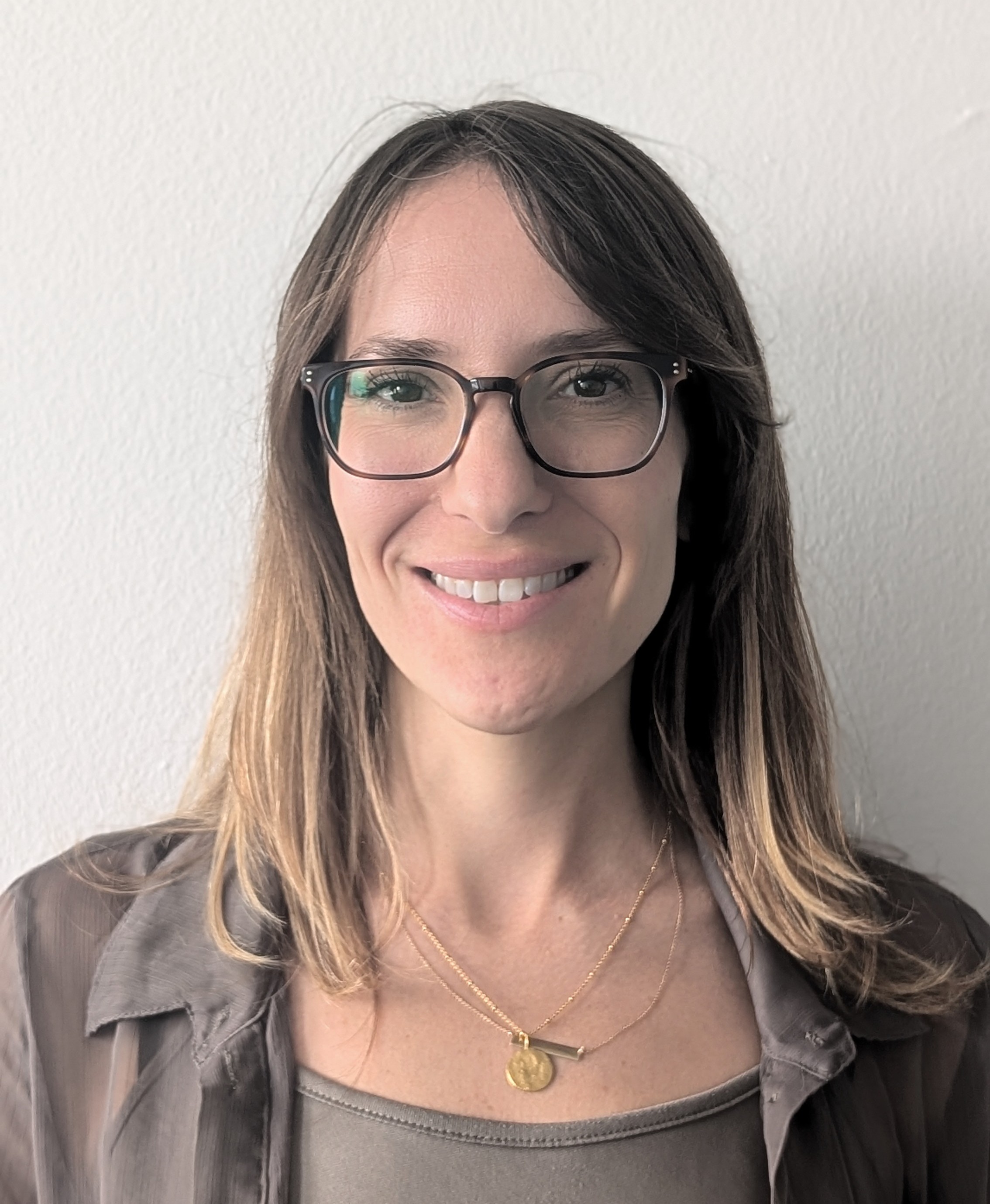
Marta was born in Sofia, Bulgaria and grew up in Toronto, Canada. She obtained her Hon. BSc. in Molecular Genetics at the University of Toronto in 2010. Marta completed her undergraduate thesis under the supervision of Dr. Daniel Durocher, studying the role of ubiquitin signaling in the double strand break DNA damage response. Marta completed her doctoral studies at Memorial Sloan Kettering Cancer Center (MSKCC) under the mentorship of Andrew Koff. Her PhD work focused on the mechanism of action required for the clinical efficacy of a then-novel class of targeted cancer therapeutic agents called CDK4/6 inhibitor (CDK4i) drugs. Her work uncovered that a favorable clinical outcome was likely to be achieved when tumors could adopt a specific cell fate known as cellular senescence, which was driven by the proteins MDM2 and ATRX. Marta joined Manuel Serrano’s lab in 2017 at the Institute for Research in Biomedicine in Barcelona, Spain for her postdoctoral research. During this time, she contributed to our understanding of the metabolic adaptations of senescent cells, with a particular focus on the mitochondria. Through contemporaneous work in Yamanaka Factor-based reprogramming, Marta discovered that vitamin B12 is a limiting factor for cellular reprogramming both in vivo and in vitro, due to its central role in one-carbon (1C) metabolism, which drives epigenetic remodeling. She demonstrated mechanistic parallels in natural reprogramming occurring during epithelial injury.
In 2024, Marta joined IFOM to start her own research group, the Laboratory of Cell Plasticity & Aging. Her research program seeks to understand autonomous and paracrine mechanisms of cell plasticity, how they are altered during aging, and what consequences this has for cancer and age-associated diseases. Marta is passionate about scientific outreach and diversity, and strives to make science accessible and equitable for people of multi-faceted backgrounds.
Monday 08 June 2026
| Time |
Session |
|
|
10:30
12:00
|
This session focuses on career progression, offering participants the opportunity to engage directly with the four Award Winners in an informal, highly interactive format. Each expert will begin with a 7 minute personal introduction, sharing their career path, key decisions, and lessons learned. A moderator may pose follow-up questions to deepen the discussion and draw out practical insights. The floor is then opened to the audience for an open Q&A, encouraging participants to ask questions in an “Ask Me Anything”–style exchange. Designed as a fully interactive session, this format features no slides and no screen, prioritizing conversation, accessibility, and direct engagement between Award Winners and participants.
-
SamraTurajlic
Expert
Cancer Research UK, The Manchester InstituteUnited Kingdom
-
AyeletErez
Expert
The Weizmann Institute of ScienceIsrael
-
-
Career Development Area
|